Filter by

Animal Science: Survivors: The Toughest Creatures on Earth
- Edition
- -
- ISBN/ISSN
- 978-1-4063-5665-6
- Collation
- 33 p. ; col. Ill. ; 29 cm.
- Series Title
- -
- Call Number
- 591.4 DAV a c.1 201930256
- Edition
- -
- ISBN/ISSN
- 978-1-4063-5665-6
- Collation
- 33 p. ; col. Ill. ; 29 cm.
- Series Title
- -
- Call Number
- 591.4 DAV a c.1 201930256
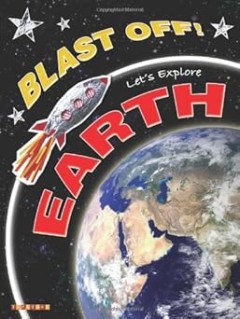
Blast Off! Let's Explore Earth
Blast off to space and explore our solar system! Including the recent addition of the dwarf planets, this series offers a dun-to-read insight into the solar system supported by superb NASA photography and artwork, as well as high-quality graphics explaining complicated scientific concepts in an engaging and accessible way.
- Edition
- -
- ISBN/ISSN
- 978-1-84696-046-8
- Collation
- 24 p ; 28 cm
- Series Title
- -
- Call Number
- 550 HEL b c.1 2024110221
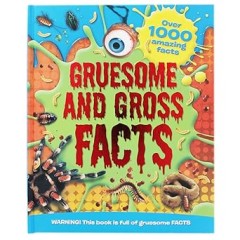
Gruesome and Gross Facts
Did you know that, in some countries, people eat maggot-infested cheese as a delicacy? Or that a snake could give you a deadly bite, even if it is dead? Packed with over 1,500 disgustingly gruesome and fiendishly foul facts, kids are guaranteed to be fascinated for hours!
- Edition
- -
- ISBN/ISSN
- 978-1-78197-592-3
- Collation
- 176 p ; 27,5 cm
- Series Title
- -
- Call Number
- 590 IGL g c.1 2024070135

The Volcano File: Blast
For science teachers and students in grades 5-9, Science Collections offer teachers a broad assortment of print, video, online and innovative hands-on tools.
- Edition
- -
- ISBN/ISSN
- 1-56331-898-9
- Collation
- 32 p ; 25,5 cm
- Series Title
- -
- Call Number
- 551 DIS t c.1 2024110236

Life in the Rainforest: Animals, People, Plants
Life in the Rainforest: Animals, People, Plants introduces young readers to the rich and diverse life found in tropical rainforests. The book explains how different living things—animals, plants, and people—depend on each other to survive. Readers learn about unique rainforest animals, the different layers of vegetation, and how indigenous communities live in harmony with nature. The book a…
- Edition
- -
- ISBN/ISSN
- 0-590-46131-1
- Collation
- 32 p ; 27 cm
- Series Title
- -
- Call Number
- 574 BAK l c.1 2024110231

Habitats: Tropical Rainforests
Tropical Rainforests: Tropical rainforests are home to a rich variety of life and this book shows where these environments are and explains why they have special importance. Every living thing, from the bacteria around the great trees' roots to the dazzling diversity of life in the canopy and, of course, the trees themselves, has an important role in the forest's survival.
- Edition
- -
- ISBN/ISSN
- 1-58340-382-5
- Collation
- 32 p ; 29 cm
- Series Title
- -
- Call Number
- 557.34
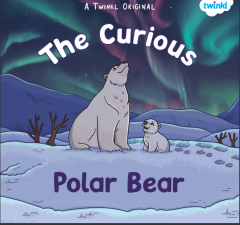
The Curious Polar Bear
The Curious Polar Bear follows a polar bear cub as he leaves his den for the first time to explore the Arctic with his mother. Along the way, children encounter snowy landscapes, icebergs, the Northern Lights, and other Arctic features, presented in a gentle rhyming text with vivid illustrations designed to spark curiosity about the natural world.
- Edition
- -
- ISBN/ISSN
- -
- Collation
- -
- Series Title
- -
- Call Number
- 599.79 TWI t
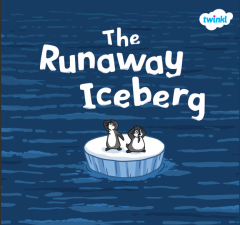
The Runaway Iceberg
The Runaway Iceberg follows two young emperor penguins named Gaspar and Rossi who find themselves adrift on a piece of ice that has broken away in the Antarctic. As they travel across the icy seas, they meet a variety of Antarctic animals who help them on their journey back home, introducing young readers to polar habitats, survival needs, and teamwork.
- Edition
- -
- ISBN/ISSN
- -
- Collation
- -
- Series Title
- -
- Call Number
- 598.2 TWI t
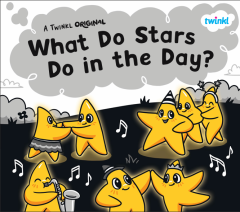
What Do Stars Do in the Day?
What Do Stars Do in the Day? is a gentle, imaginative rhyming story that explores what stars might be up to when we can’t see them in daylight. The narrative follows a curious child’s thoughts about stars “busy doing starry things”—from dancing and playing to everyday activities—before they shine in the night sky. Its soft illustrations with glowing stars and simple rhymes make it a…
- Edition
- -
- ISBN/ISSN
- -
- Collation
- -
- Series Title
- -
- Call Number
- 523.8 TWI w

Blue Planet: Life in our Oceans and Rivers
Blue Planet: Life in Our Oceans and Rivers takes young readers on a vivid exploration of the world’s waterways — from vast oceans to meandering rivers and lakes. With bright illustrations and accessible text, the book introduces creatures of all sizes, explains the water cycle, outlines how people use and live around water, and highlights how water connects all life on Earth. It encourag…
- Edition
- -
- ISBN/ISSN
- 9781944530969
- Collation
- -
- Series Title
- -
- Call Number
- 577.54 BUT b
 Computer Science, Information & General Works
 Philosophy & Psychology
 Religion
 Social Sciences
 Language
 Pure Science
 Applied Sciences
 Art & Recreation
 Literature
 History & Geography